Echevarría with Selecciones Ilustradas
Despite a considerable body of comics' work beginning in the early 1970s, Carlos Echevarría did not achieve the international acclaim bestowed on Font and many of his Selecciones Ilustradas colleagues.
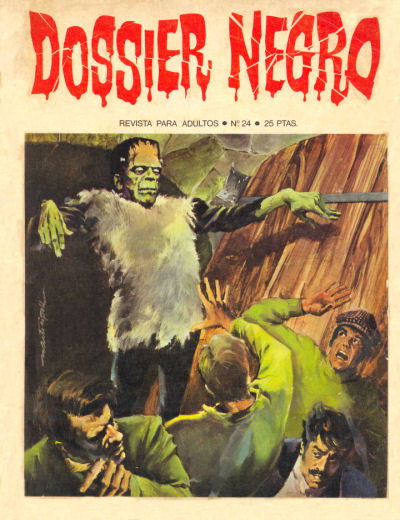
His earliest identified work is the short story "Una familia bien avenida" in the ground-breaking adult horror comic Dossier negro 24, April 1971 (Ibero mundial de ediciones, Spain) with artist Miguel Gómez Esteban(?-1977).1
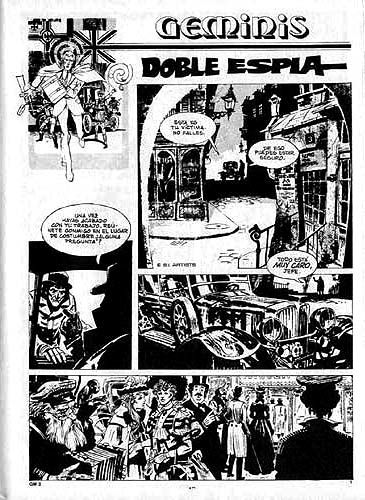
As other Selecciones Ilustradas work appeared in this comic, it is possible that this story is from that source and Echevarría entered the comics industry via that Agency.
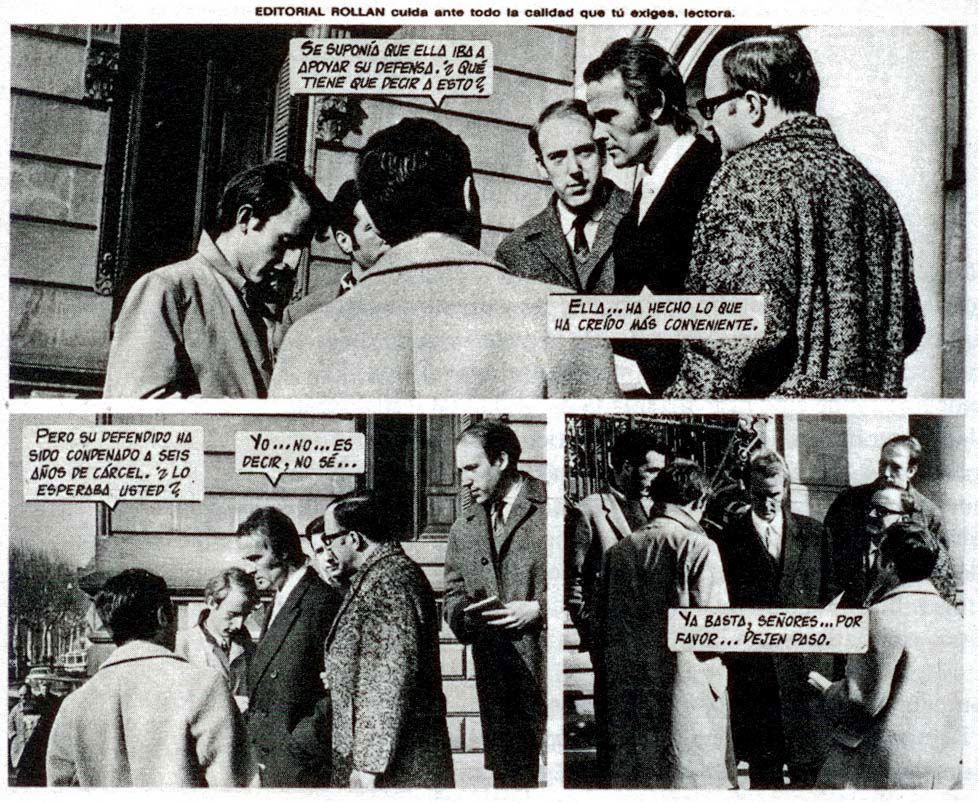
He subsequently worked extensively with Selecciones Ilustradas, most likely following the typical path of churning out anonymous work for the French and UK market. He produced and directed photo-novels, but mainly wrote comic series of diverse genres for international syndication.2
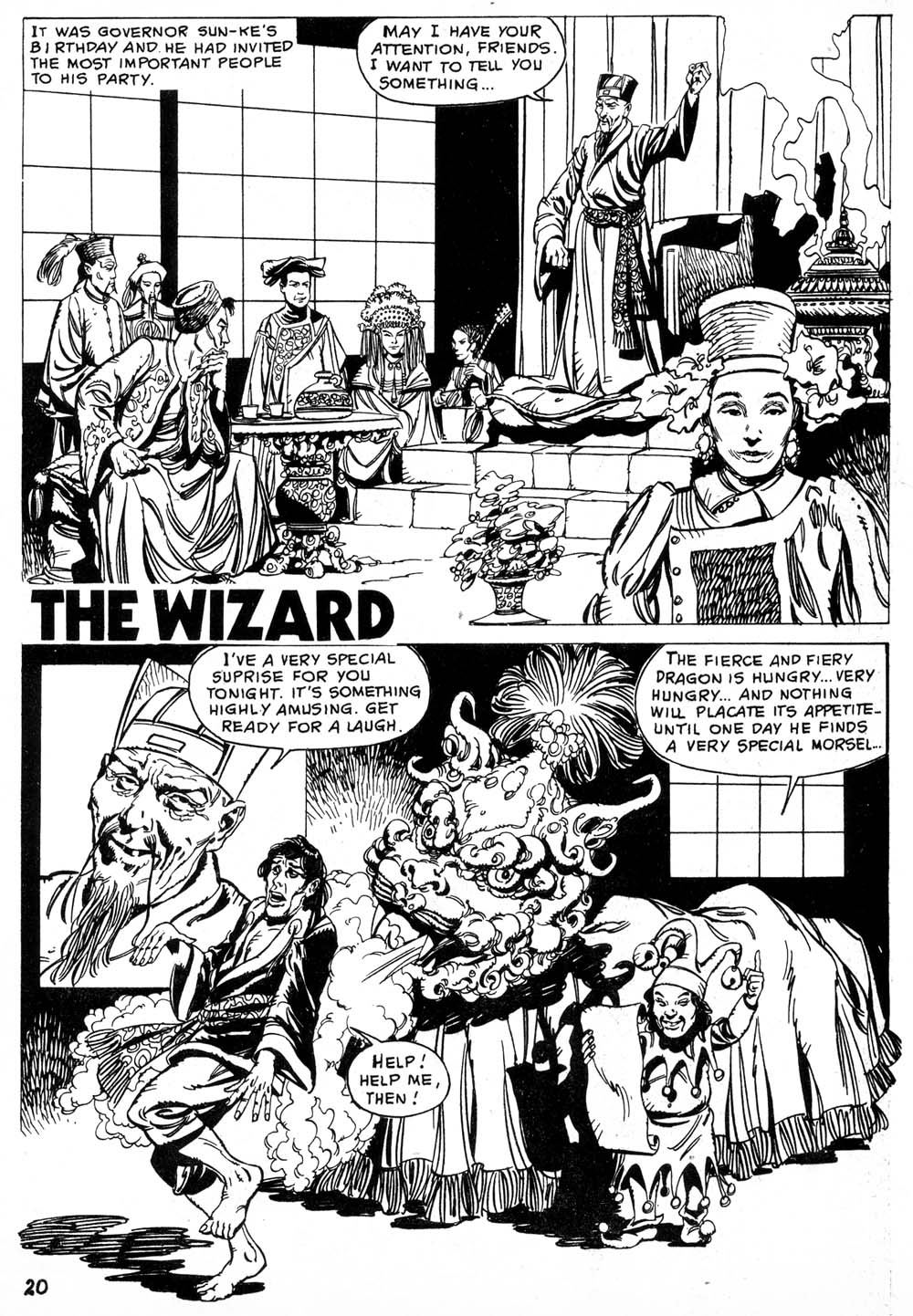
In addition to Geminis, Australia's KG Murray published much of Echevarría other work for the SI Agency.
Most significantly, he anomyously wrote a number of later episodes of Gringo (Ringo), during the period after Carlos Giménez (b.1941) departed in 1967.3
Echevarría also wrote episodes of the SI series El Cuervo (The Crow) with artist José Ortiz (b.1932);4 Shi-Kai initially with Amador García Cabrera (b.1934) and subsequently César López Vera (1932-1989), Santiago Martín Salvador (b.1935) and Luis Bermejo (b.1931);5 and Jeff Blake, el Hombre de Pinkerton (Jeff Blake, Man from Pinkerton) with art by Suso Peña Rego (1941-2005).6
These series all originally appeared in Kung-Fu (Ediciones Amaika, Spain) and were reprinted in KG Murray's Kung-Fu titles. At least one other episode of Jeff Blake appeared in Murray's Super Giant Album 23.
Echevarría appears to have been a reliable, regular scripter for the SI Agency and one of the people Toutain called on to meet international commitments. It is likely he produced many more uncredited stories.